



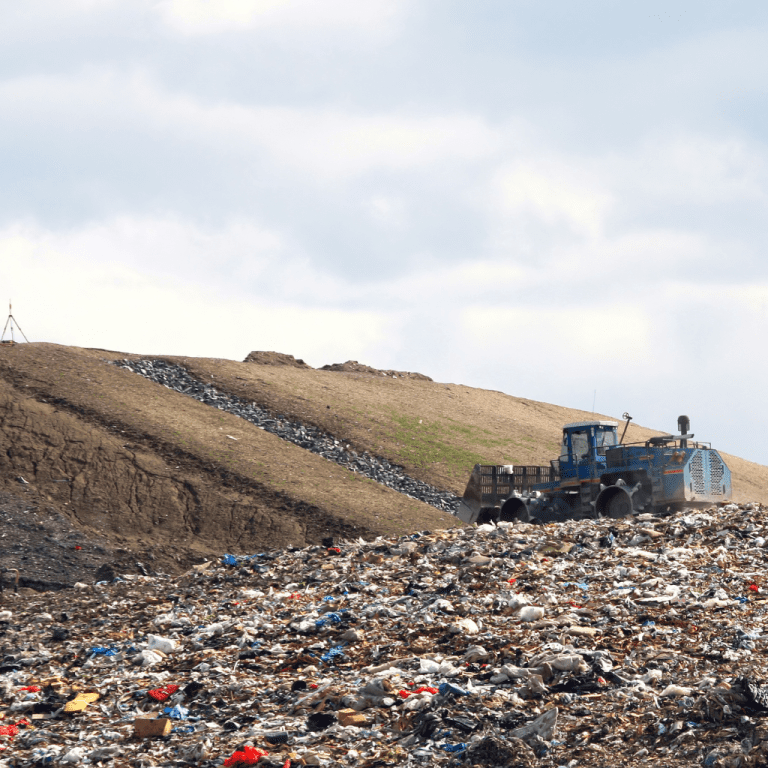
Solid Waste
Proper management of solid waste during collection, storage, transportation and finally disposal must to be taken seriously if we are to protect the public’s health and ensure a quality environment in the future.
Solid waste management includes source reduction, on-site and off-site recycling, storage, collection, transportation, processing and disposal. Improper management, indiscriminate dumping, failure of the collection system, and improper final disposal of solid wastes would soon cause many problems.
Odors, flies, vectors, wandering dogs and cats, pollution of water (surface and ground), fires and air pollution would occur and dispel any remaining doubts of the importance of proper solid waste storage, collection, and disposal.
DEQ: Idaho Department of Environmental Quality
- Commercial Industrial Waste
- Composting (Processing) Facility Guidance and Checklists for Tier II and Tier III Processing Facilities
- Residential Household Wastes
- Waste Tires
EPA: Environmental Protection Agency
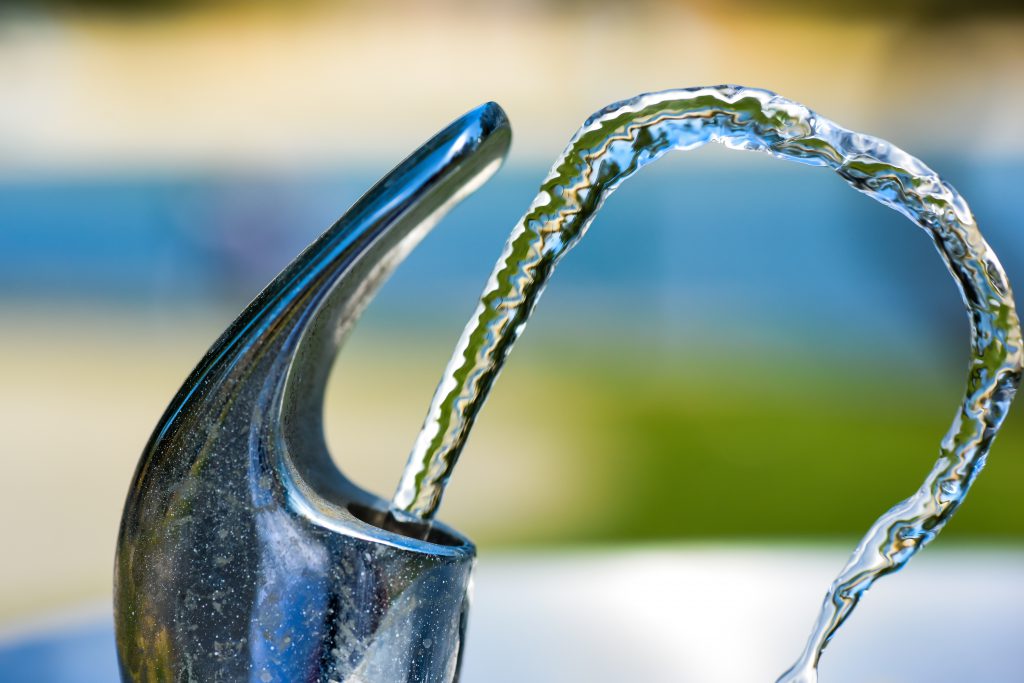
Drinking Water
Water is the most important natural resource on Earth. Ensuring that the water used for human consumption, such as for drinking, cooking, and hand washing is of utmost importance to Eastern Idaho Public Health.
Wells can provide high-quality drinking water, and about half of the U.S. population receives its drinking water from well. But with well ownership comes the responsibility of keeping the water well in good working order. While Eastern Idaho Public Health does not have jurisdiction over private water systems, we do provide technical support and resources to help well owners ensure their water is safe for consumption.
By definition, any water system that has at least fifteen (15) service connections or regularly serves an average of at least twenty-five (25) individuals daily at least sixty days out of the year is a Public Water System (PWS). In Idaho, DEQ (Department of Environmental Quality) regulates Public Water Systems.
Pools
Beginning July 1, 2025, the Idaho Swimming Pool Rules are discontinued and are no longer applicable in the State of Idaho. Eastern Idaho Public Health will no longer be inspecting public swimming pools in the area.
There are resources available to assist in maintaining safe swimming pools. An employee or staff member can become a certified pool operator, certified pool inspector, certified service technician, or a certified maintenance specialist. Classes are available through the Pool & Hot Tub Alliance.
While the Idaho Swimming Pool Rules are removed and are no longer enforced, it is still a good practice to maintain swimming pools to prevent illness and injury. The Center for Disease Control (CDC) has created a guidance document to assist managers and operators of pools to keep swimmers and bathers healthy. The document is referred to as the Model Aquatic Health Code (MAHC) and brings together the latest science and best practices to help develop and update pool rules.